

What we’re about
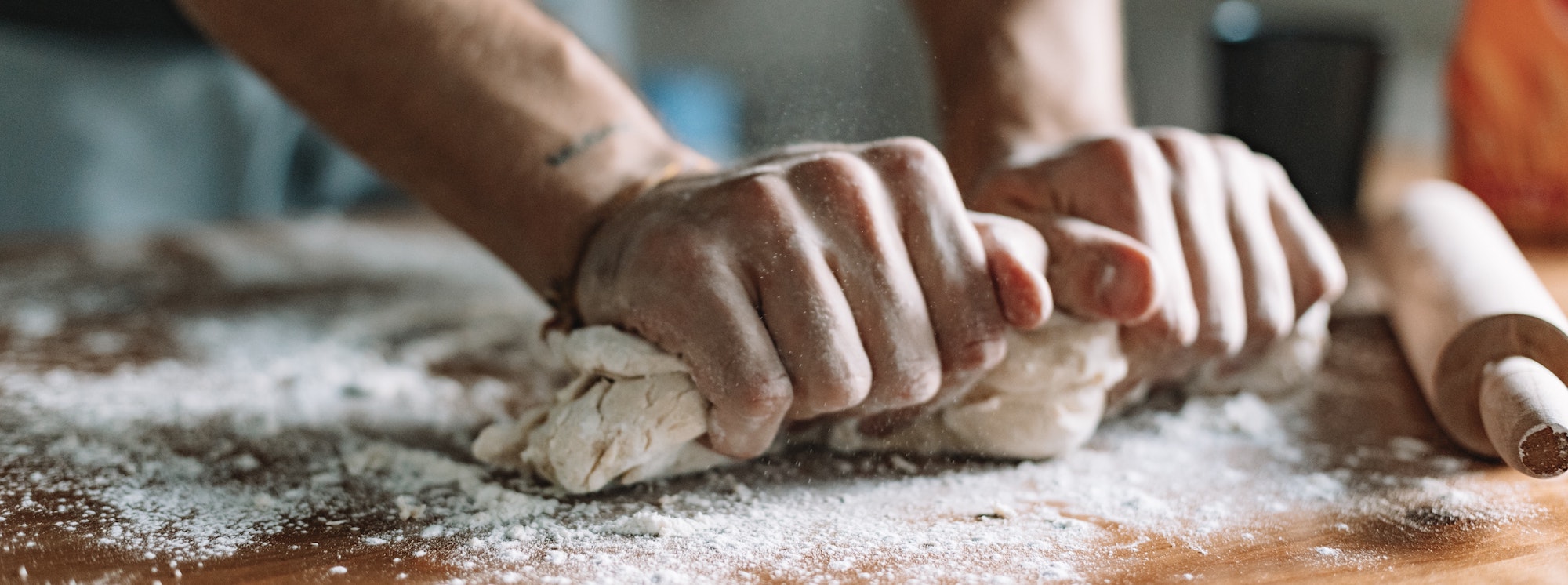
With four ingredients, a few pieces of basic baking equipment, and ten minutes of work, you can bake healthy, nutritious, incredibly delicious loaves of oven-fresh bread in your kitchen at home. Whenever you want.
We’ll show you how.
Featured products from our store
[shop all products]




Subscribe to the world-famous Breadtopia Newsletter.
Every couple weeks or so, we send out a little roundup of new recipes, techniques, and tutorials that we’ve recently posted on the site. Occasionally we announce exclusive giveaways to newsletter subscribers as well and subscribers get early access to our annual Black Friday sale. We won’t spam you with ads or share or sell your email address. Every email we send has a 1-click unsubscribe link if you decide it’s not for you.
Favorite / Classic Bread Recipes
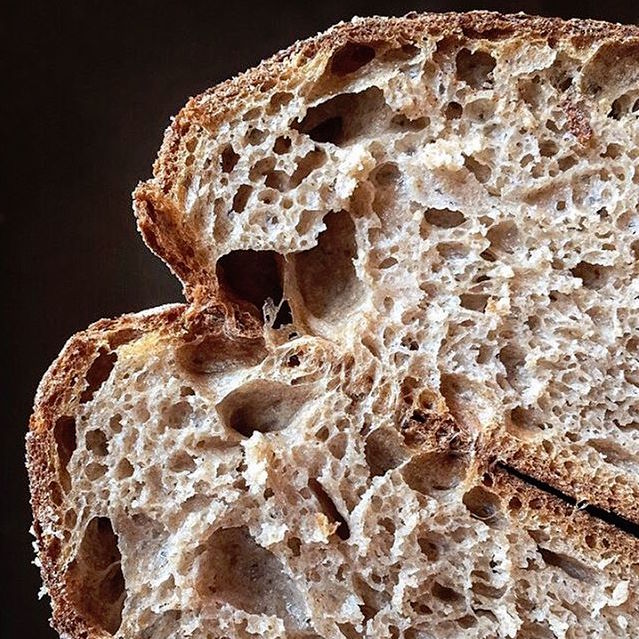
Our original contribution to the no-knead bread revolution: substitute live sourdough starter for instant yeast to create the ultimate no knead artisan bread loaf.
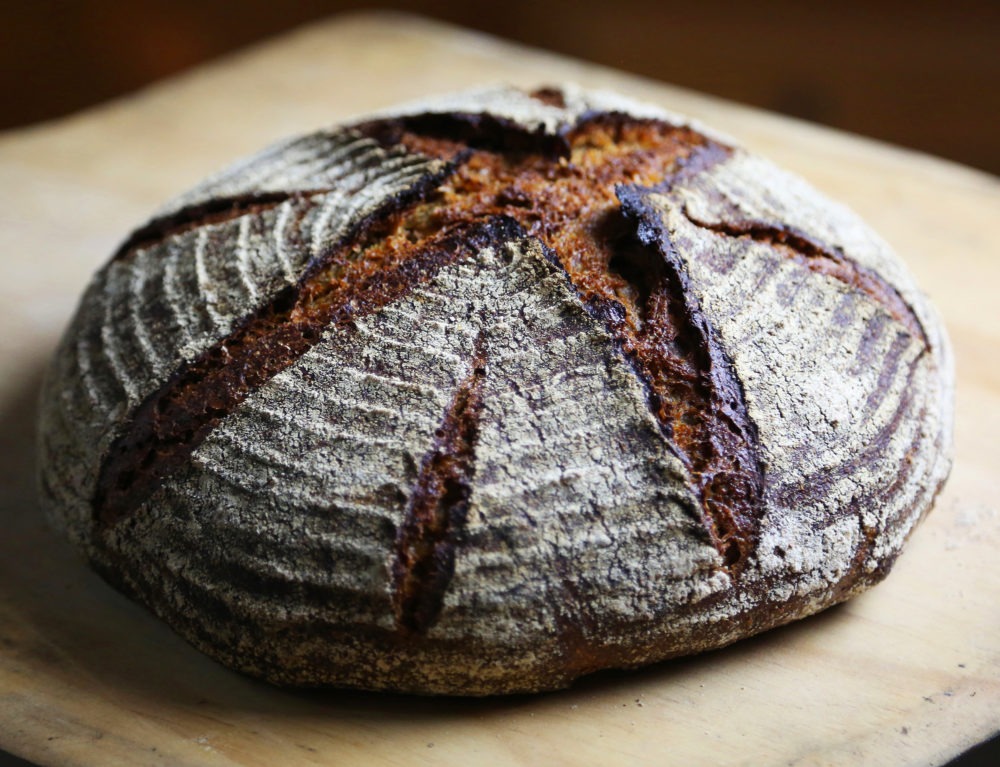
This is my favorite rye bread recipe of all time. I could have just as easily called it Swedish Rye Bread or Aroma Therapy Bread for that matter (takes the coveted baking bread smell to another level). And if you’re not into sourdough baking, no problem, I cover the instant yeast version as well.
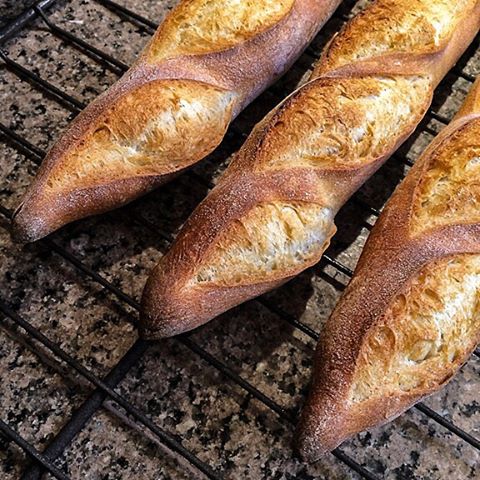
The Breadtopia baguette recipe and video tutorial for almost no-knead baguettes. Easier than you thought, as delicious as you hoped.
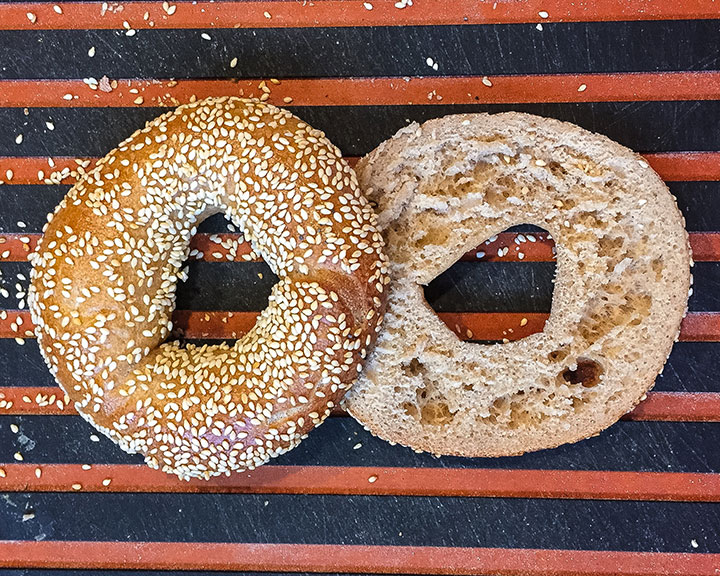
Welcome to Bageltopia; the Breadtopia bagel recipe and video tutorial for making genuine Vermont sourdough bagels (i.e. the best bagels in the world).
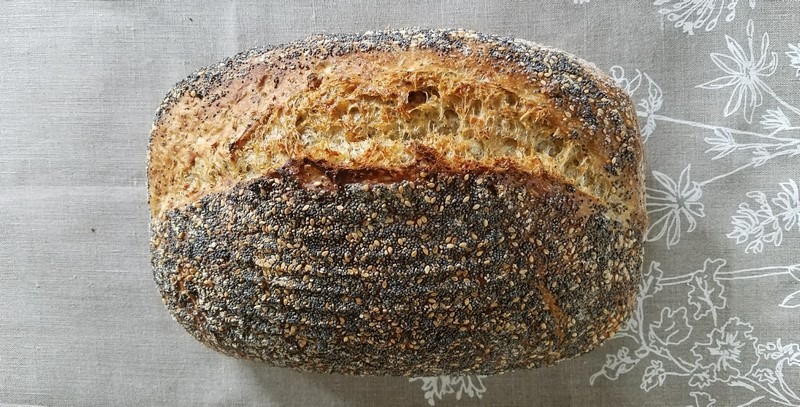
With chia, poppy, and toasted sesame seeds, this bread smells delicious and is full of flavor. The crust is crackly and the crumb is soft and chewy.
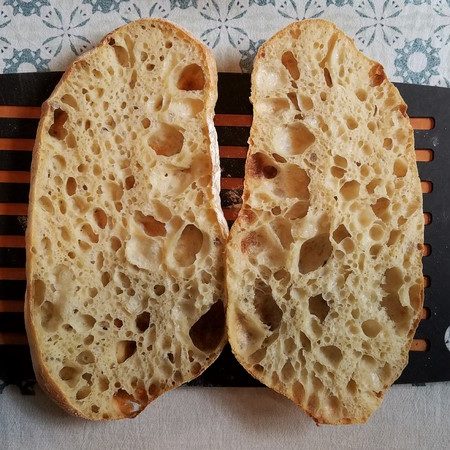
If you could only have one type of bread to eat for the rest of your life, what would you pick? My answer would be, “Ciabatta.” Specifically, sourdough ciabatta, for the added complexity of flavor that natural leavening brings to the bread.
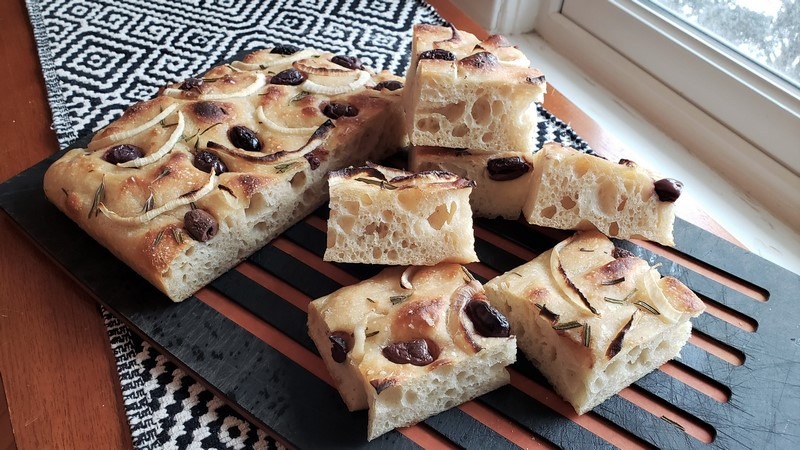
Sourdough Focaccia with a touch of whole grain wheat is a delicious treat but also a contender to be an everyday bread.
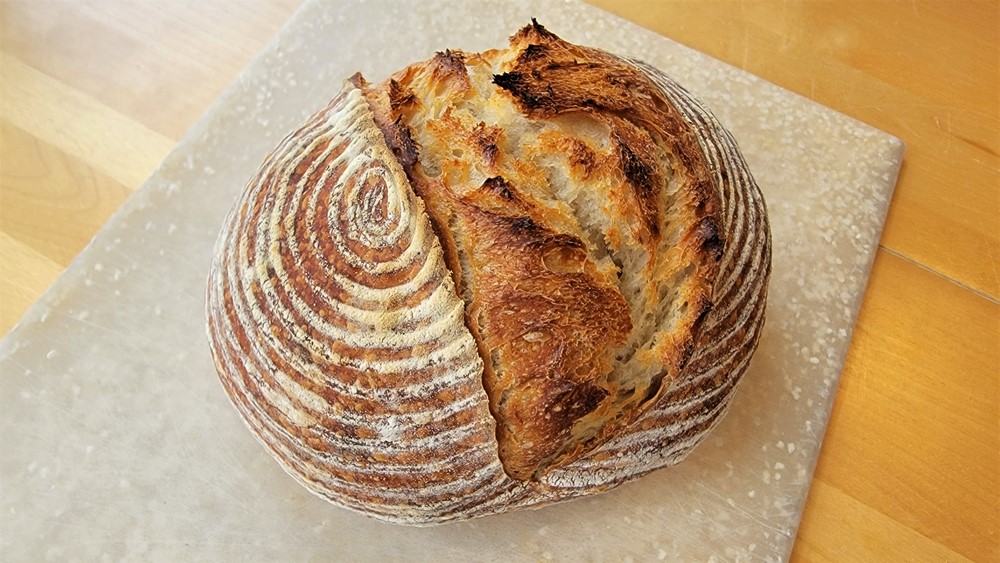
You can make this basic all purpose flour sourdough bread recipe into beautiful crusty artisan-style bread or a soft and tender sandwich bread. You can choose either a 1-day process baking in the evening or an overnight refrigeration of the dough for a morning bake. It’s simple, easy to follow, and the results are delicious.
Our latest recipes, techniques, and tutorials posts.
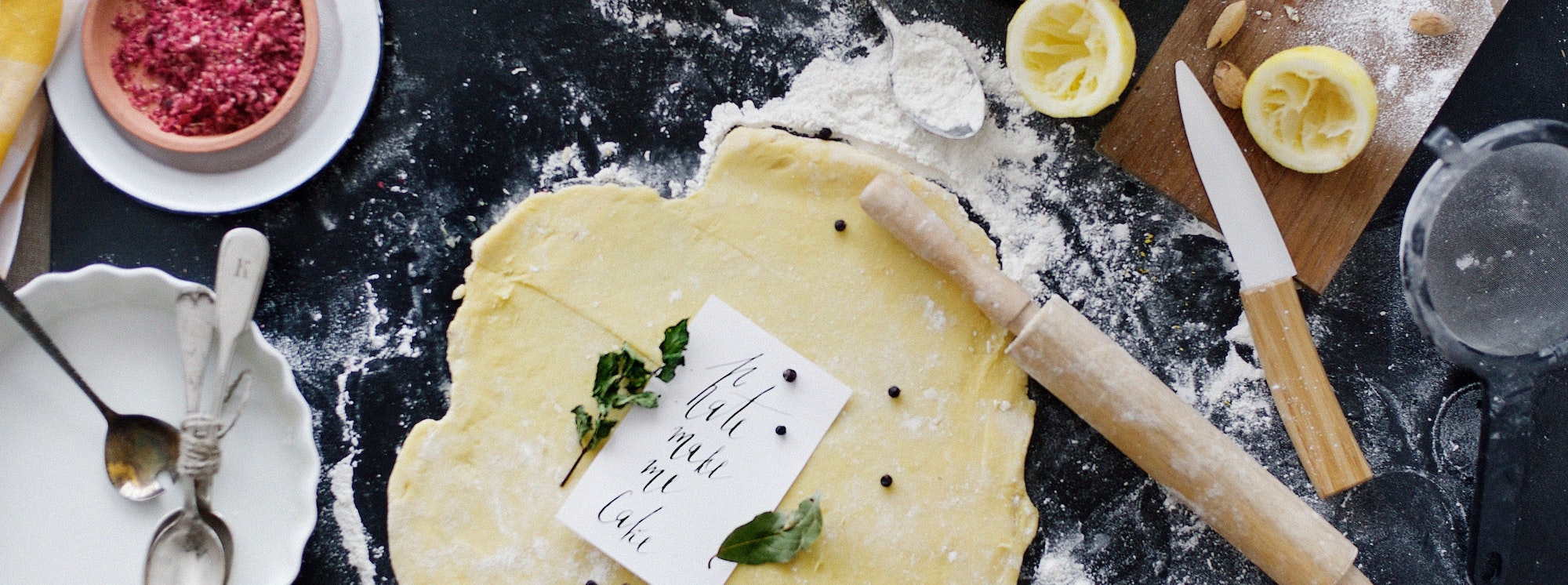
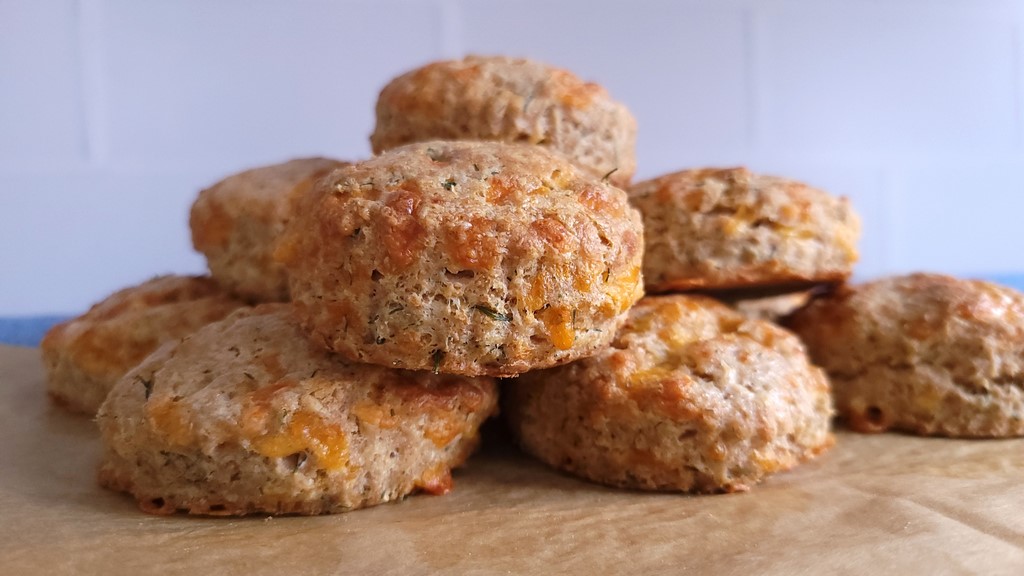
These whole wheat cheddar and dill scones with sourdough discard are flaky, flavorful, tender, and moist; everything a homemade scone should be. Enjoy them right out of the oven or warmed in the microwave for 5-10 seconds. They make a scrumptious savory snack, breakfast, or meal accompaniment.
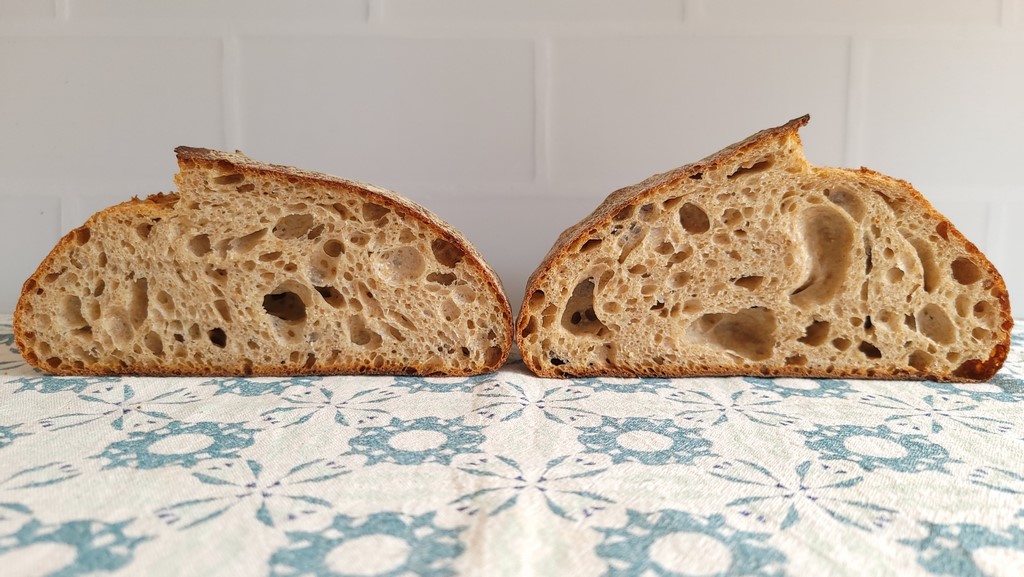
This experiment looks at shaping dough earlier versus later in the rising process. The goal is to assess the impact on crumb, loaf height, and score bloom of ending the bulk fermentation at different points on the fermentation (dough rising) curve. The total fermentation of the two doughs is the same, but one dough has a shorter bulk fermentation and a longer final proof and the other a longer bulk fermentation and shorter final proof.
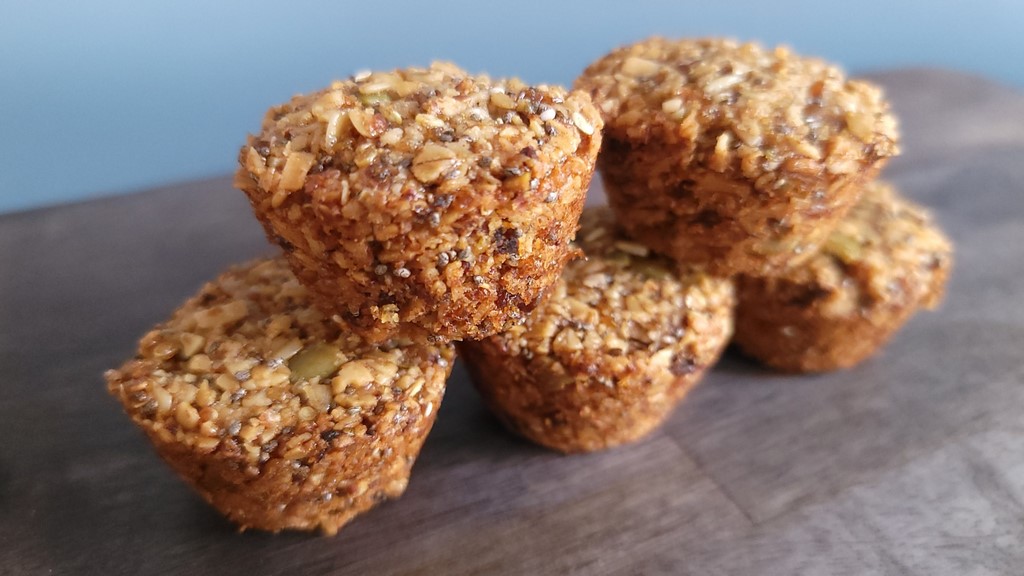
These energy dense and fiber-filled breakfast bites are Breadtopia’s take on the popular snack Aussie Bites. They’re absolutely delicious and packed with nutritious oats, quinoa, seeds, and dried fruit. Make them gluten free or use some sourdough discard in the batter.
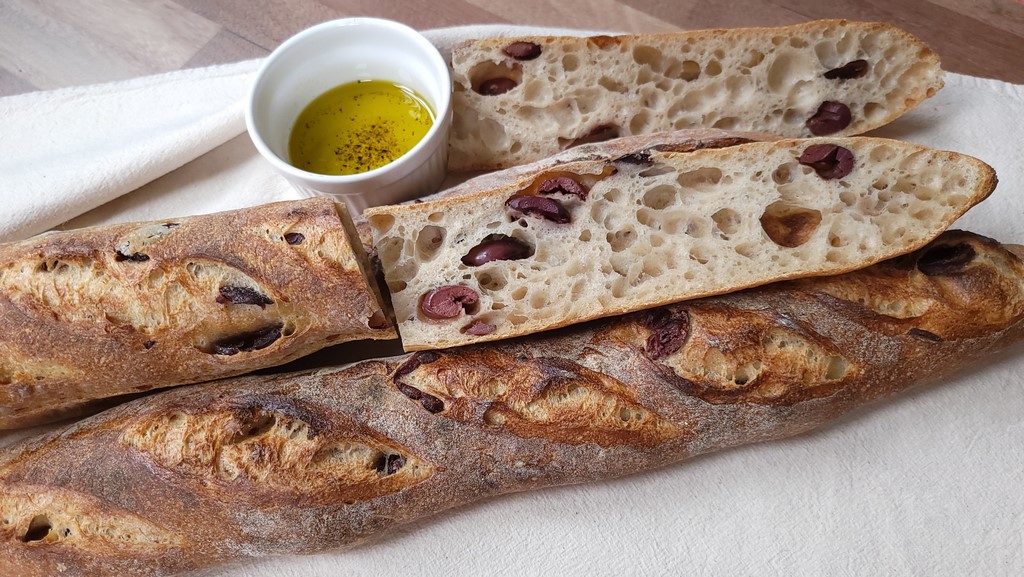
These sourdough leavened olive baguettes are kind of spectacular. They have a touch of rye flour and so much crispy golden crust to enjoy with the bursts of olive flavor. The airy crumb can hold plenty of olive oil, and the baguettes also pair well with soft cheeses like ricotta and burrata, or shavings of hard cheese like pecorino romano and grana padano.
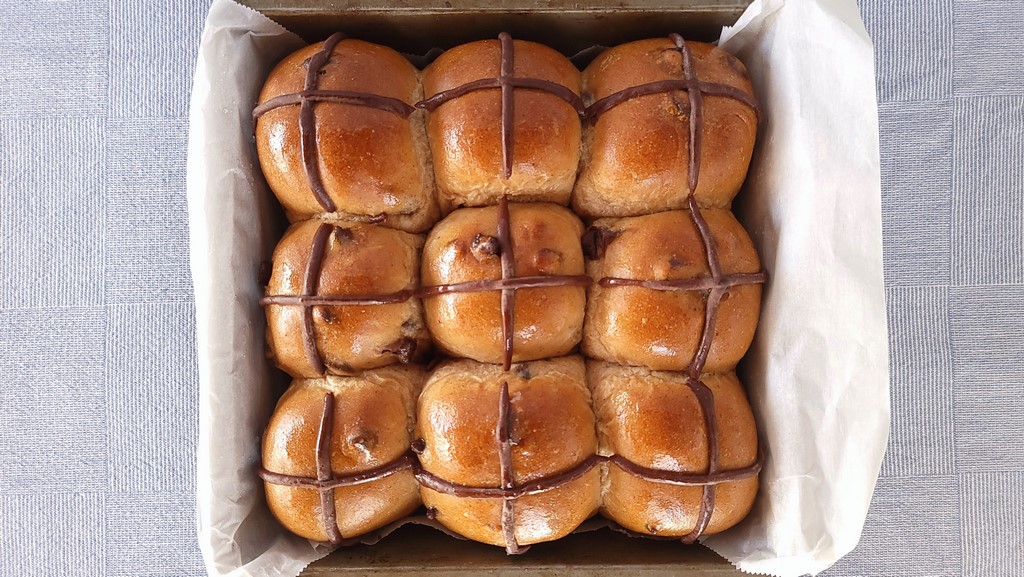
Chocolate spiced hot cross buns are a delicious alternative to traditional dried fruit filled buns. Enjoy them warm and melty and feel free to play with other tasty additions to the dough, such as dried cherries or candied orange peel.
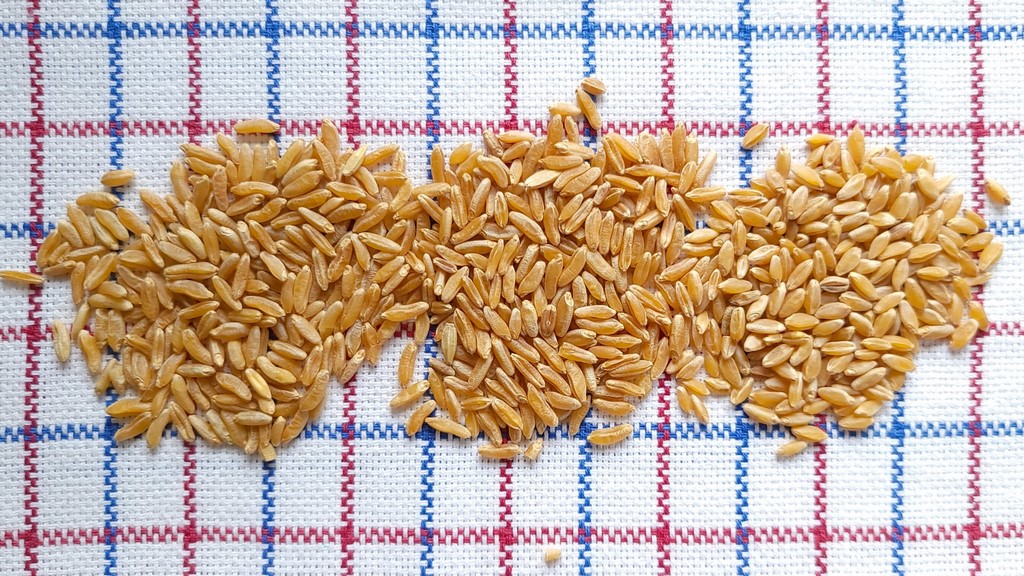
Here we compare Kamut®, khorasan, and durum wheats for taste and performance differences in bread baking. The quick summary is that there seemed to be more terroir difference than species difference in the loaf appearance, and taste testers didn’t have consistent opinions about the flavors of all three breads. Some found durum more buttery, others found khorasan and Kamut more buttery. Same with sweetness.
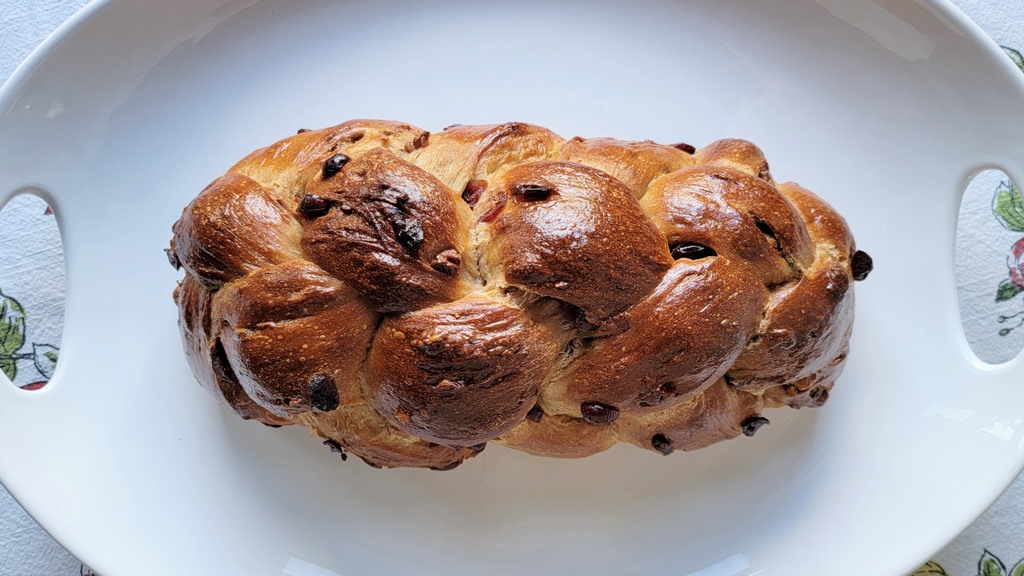
This braided bread is both beautiful and scrumptious. The texture is squishy-tender from the milk and all purpose flour; and the flavor is balanced and interesting with some whole wheat flour, plus the toasted pecans, dried cranberries, and hint of honey. It makes an impressive gift bread, but you’ll want to make yourself one too.
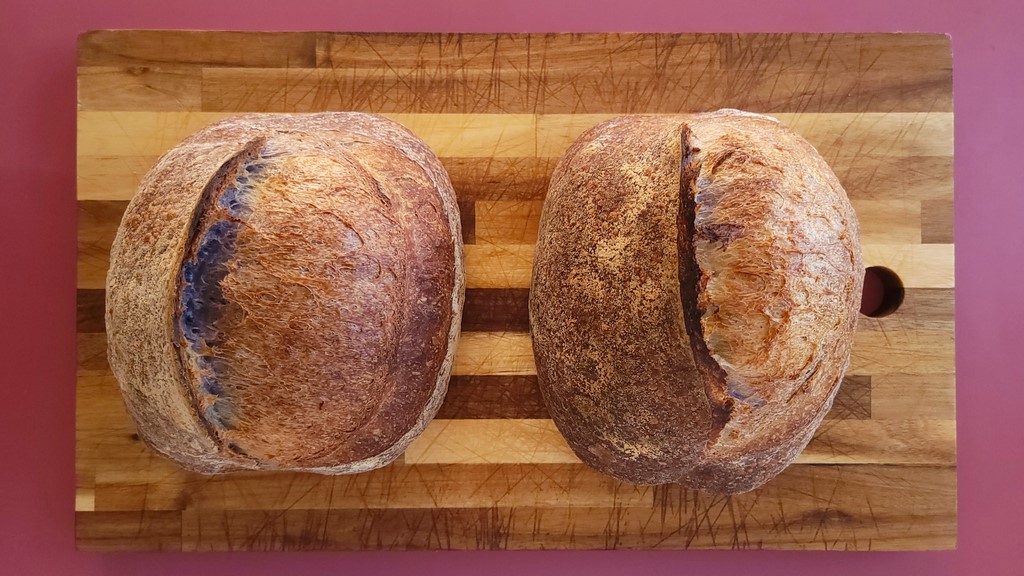
We experiment with “double scoring” which is a technique meant to increase the “bloom” (or opening) of the loaf during baking. With this technique you score normally before the dough goes into the oven, and then again 5-7 minutes into the bake.
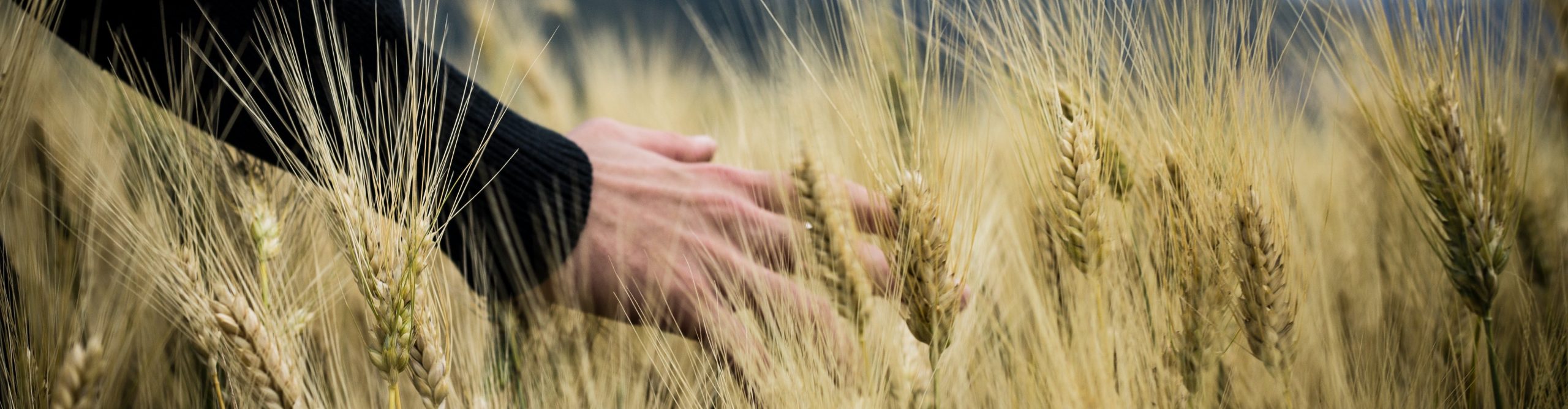
Breadtopia is committed to doing everything we can to help nurture and support a vibrant economy around grain farmers practicing sustainable, regenerative agriculture which results in healthy, nutrient-dense food, builds healthy soil, and sequesters excess carbon dioxide which would otherwise exacerbate global warming. Click below to read more.